Your Smile, Our Priority: Comprehensive Dental Care in Barrie
Maintaining good oral health is crucial for overall well-being. Regular dental check-ups play a vital role in preventing dental issues, detecting problems early, and ensuring a healthy smile.
Introduction:
A trip to the dentist might not be everyone’s favourite outing, but it’s an essential part of maintaining a healthy lifestyle. In Barrie, Ontario, like anywhere else, regular general dentistry check-ups are the cornerstone of preventative dental care. These appointments are far more than just a quick glance at your teeth; they’re a comprehensive evaluation of your oral health, designed to keep your smile bright and your mouth healthy. Whether you’re a long-time Barrie resident or new to the area, understanding what to expect during a general dentistry check-up can help alleviate anxiety and make your visit a positive and productive experience. This article will guide you through the typical procedures and what to anticipate during a routine dental check-up in Barrie, ensuring you’re well-prepared for your next visit.
-
The Warm Welcome and Initial Consultation
Your dental check-up journey in Barrie typically begins with a warm welcome from the reception staff. This is your chance to update your personal information, insurance details, and medical history. Accuracy here is key – your dentist needs a complete picture of your health to provide the best possible care.
-
- Detailed Medical History: Be prepared to discuss any changes in your medical history, including new medications, allergies, or chronic conditions. Certain medical conditions can affect your oral health, and some dental treatments may need to be adjusted accordingly. For instance, if you’re taking blood thinners, your dentist needs to know, as it can impact procedures involving bleeding.
- Oral Health Concerns: This is also the time to raise any specific concerns you have about your teeth or gums. Are you experiencing sensitivity, pain, or noticing any unusual changes? Don’t hesitate to voice these concerns; it helps your dentist focus on the areas that need attention.
- Comfort and Communication: A good dental practice in Barrie will prioritize your comfort. Staff should be friendly, approachable, and willing to answer any questions you have. Open communication is essential for a positive dental experience. If you’re feeling anxious, let them know – they can often offer strategies to help you relax.
-
The Comprehensive Dental Examination
The heart of the check-up is the comprehensive dental examination performed by your dentist. This is a thorough evaluation of your entire oral cavity.
-
- Visual Inspection: The dentist will carefully examine your teeth for signs of decay, cracks, chips, and other abnormalities. They’ll also check the alignment of your bite and look for any signs of teeth grinding (bruxism).
- Gum Examination: Gum health is just as important as tooth health. The dentist or hygienist will examine your gums for signs of inflammation, redness, swelling, or bleeding. They may use a probe to measure the depth of the pockets between your teeth and gums, which is a key indicator of gum disease (periodontal disease).
- Soft Tissue Examination: The examination extends beyond just teeth and gums. The dentist will also inspect your tongue, cheeks, lips, and the roof and floor of your mouth. This is crucial for detecting any signs of oral cancer or other soft tissue abnormalities.
-
Digital X-Rays: A Deeper Look
Dental x-rays are an essential diagnostic tool that allows dentists to see what’s happening beneath the surface of your teeth and gums. In Barrie, most modern dental practices use digital x-rays, which are safer and more efficient than traditional film x-rays.
-
- Types of X-Rays: Depending on your needs, you might have different types of x-rays. Bitewing x-rays are commonly used to check for decay between teeth, while periapical x-rays show the entire tooth, from crown to root. Panoramic x-rays provide a broad overview of your entire mouth, including your jawbone.
- Frequency of X-Rays: The frequency of x-rays depends on your individual needs and risk factors. Your dentist will determine the appropriate schedule for you. Generally, bitewing x-rays are taken annually or bi-annually, while a full mouth series might be taken every few years.
- Safety and Comfort: Digital x-rays expose you to significantly less radiation than traditional x-rays. Lead aprons are always used to protect your body. If you have any concerns about radiation exposure, discuss them with your dentist.
-
Professional Cleaning: Removing Plaque and Tartar
A professional cleaning, also known as a prophylaxis, is a crucial part of your check-up. Even with diligent brushing and flossing, plaque and tartar can build up in hard-to-reach areas.
-
- Scaling: The dental hygienist will use specialized instruments to remove plaque and tartar from your teeth, both above and below the gum line. This process is called scaling.
- Polishing: After scaling, your teeth will be polished with a gritty paste to remove stains and smooth the surfaces. This makes it harder for plaque to adhere to your teeth.
- Fluoride Treatment: A fluoride treatment may be applied to strengthen your tooth enamel and help prevent decay. This is especially beneficial for children and those at high risk of cavities.
-
Oral Hygiene Education: Keeping Your Smile Healthy at Home
Your dental check-up is also an opportunity to receive personalized oral hygiene advice. Barrie dental professionals are dedicated to empowering patients to maintain optimal oral health between visits.
-
- Brushing Techniques: The hygienist will review proper brushing techniques, ensuring you’re using the right amount of pressure and reaching all areas of your mouth. They might recommend specific types of toothbrushes or toothpaste based on your needs.
- Flossing Instructions: Flossing is crucial for removing plaque and food particles from between your teeth. The hygienist will demonstrate proper flossing techniques and may suggest alternative interdental cleaning tools if necessary.
- Personalized Recommendations: Your dentist or hygienist will provide personalized recommendations based on your individual oral health needs. This might include advice on diet, the use of mouthwash, or other preventative measures.
-
Assessing Your Bite and Jaw Joint (TMJ)
A healthy bite is essential for proper chewing and speaking. Your dentist will assess your bite and the function of your temporomandibular joint (TMJ), which connects your jawbone to your skull.
-
- Bite Evaluation: The dentist will check how your teeth come together when you bite. They’ll look for signs of misalignment, overbite, underbite, crossbite, or open bite. Misalignment can lead to problems with chewing, jaw pain, and tooth wear.
- TMJ Examination: The TMJ is responsible for jaw movement. The dentist will check for signs of TMJ disorders, such as pain, clicking, popping, or limited jaw movement. TMJ disorders can be caused by stress, teeth grinding, or misalignment.
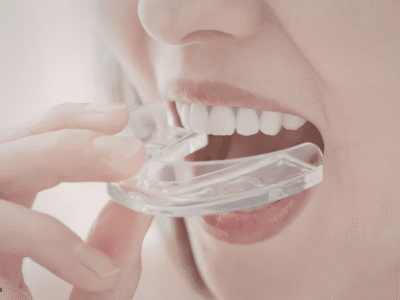
- Treatment Options: If any bite or TMJ issues are identified, your dentist will discuss potential treatment options. These might include orthodontics (braces), bite guards, or other therapies.
-
Screening for Oral Cancer
Oral cancer is a serious disease, but early detection significantly improves the chances of successful treatment. Your dentist in Barrie will perform a thorough oral cancer screening during your check-up.
-
- Visual Examination: The dentist will carefully examine your mouth, including your lips, cheeks, tongue, gums, and the roof and floor of your mouth, for any signs of abnormal lesions, sores, or discolouration.
- Palpation: The dentist will also gently feel (palpate) the lymph nodes in your neck and jaw to check for any swelling or tenderness.
- Risk Factors: Your dentist will discuss your risk factors for oral cancer, such as smoking, alcohol consumption, and HPV infection. They may provide advice on reducing your risk.
-
Discussion of Treatment Options and Planning
If any dental problems are detected during the check-up, your dentist will discuss treatment options with you.
-
- Treatment Plan: The dentist will develop a personalized treatment plan based on your needs and priorities. This plan will outline the recommended procedures, their costs, and the timeline for treatment.
- Informed Consent: You’ll have the opportunity to ask questions and discuss any concerns you have about the proposed treatment. Your dentist will ensure you understand the risks and benefits of each option before proceeding.
- Financial Considerations: Dental offices in Barrie will typically provide you with a detailed breakdown of the costs involved in your treatment. They may also offer various payment options or work with your insurance provider to maximize your coverage.
-
Addressing Your Questions and Concerns
Your check-up is a two-way conversation. Don’t hesitate to ask questions and voice any concerns you may have.
-
- Clear Communication: Your dentist and the dental team should communicate clearly and in a way that you understand. If you’re unsure about anything, ask for clarification.
- Comfort and Trust: It’s important to feel comfortable and trust your dental provider. A good dentist will be patient, attentive, and willing to address all your concerns.
- Follow-Up Care: Make sure you understand any follow-up care instructions, such as how to care for your teeth after a filling or other procedure.
-
Scheduling Your Next Appointment
Before you leave, you’ll typically schedule your next check-up. Regular check-ups are essential for maintaining good oral health.
-
- Recommended Frequency: The frequency of your check-ups will depend on your individual needs. Most people benefit from a check-up every six months, but your dentist may recommend more frequent visits if you have specific concerns or risk factors.
- Preventative Care: Regular check-ups are a form of preventative care. They help detect problems early when they’re easier and less expensive to treat.
- Long-Term Health: Investing in regular dental check-ups is an investment in your long-term oral and overall health. A healthy smile contributes to your confidence and well-being.
Conclusion:
A general dentistry check-up in Barrie is a comprehensive process designed to ensure your oral health and well-being. From the initial welcome and thorough examination to professional cleaning, oral hygiene education, and treatment planning, each step plays a vital role in maintaining a healthy smile. By understanding what to expect, you can approach your dental visits with confidence, knowing that you’re taking proactive steps to protect your oral health. Remember, regular check-ups, combined with good at-home oral hygiene practices, are the key to a lifetime of healthy smiles.
Call to Action:
Give your child the gift of a healthy smile! Contact Molson Park Dental today to schedule your child’s first dental appointment.
Address: 33 Maple view Drive W, Barrie, Ontario
Call: (705) 722-4848
Email: [email protected]
Website: https://molsonparkdental.com/
FAQ:
Q: How often should I get a general dentistry check-up?
A: Most people should have a check-up every six months. However, your dentist may recommend more frequent visits if you have specific oral health concerns or risk factors for dental problems.
Q: What happens during a dental check-up?
A: A typical dental check-up includes a thorough examination of your teeth and gums, professional cleaning to remove plaque and tartar, and sometimes dental x-rays. Your dentist will also assess your bite, screen for oral cancer, and provide oral hygiene education.
Q: Are dental x-rays safe?
A: Yes, digital dental x-rays, which are commonly used in Barrie, are very safe. They expose you to significantly less radiation than traditional x-rays. Lead aprons are always used to protect your body during x-ray procedures.
Q: What is a professional dental cleaning?
A: A professional dental cleaning, also known as prophylaxis, is a procedure performed by a dental hygienist to remove plaque and tartar from your teeth. This helps prevent gum disease and tooth decay.
Q: What is oral cancer screening?
A: Oral cancer screening is a visual and physical examination of your mouth and surrounding tissues to detect any signs of oral cancer. Early detection is crucial for successful treatment.
Q: What if I have dental anxiety?
A: Many people experience dental anxiety. Let your dental team know about your concerns. They can offer strategies to help you relax, such as gentle techniques, distraction methods, or even sedation options in some cases.
Q: How can I improve my oral hygiene at home?
A: Brush your teeth twice a day with fluoride toothpaste, floss daily, and use mouthwash as recommended by your dentist. Eat a balanced diet and limit sugary snacks and drinks.
Q: What should I do if I have a dental emergency?
A: If you have a dental emergency, such as severe pain, a knocked-out tooth, or uncontrolled bleeding, contact your dentist immediately. They will provide guidance on how to proceed.