A healthy smile starts early. Establishing good dental hygiene habits in children is crucial for their oral health, overall well-being, and future dental experiences. In Barrie, we understand the importance of early intervention and education to ensure your child’s smile shines bright for years to come.
Introduction:
As parents, we prioritize our children’s health and well-being. From nutritious meals to regular check-ups, we strive to give them the best start in life. However, one crucial aspect of their health often overlooked is oral hygiene. Early dental care is not just about preventing cavities; it’s about laying the foundation for a lifetime of healthy smiles. In Barrie, we recognize the significance of early dental hygiene for children and aim to provide parents with the knowledge and resources they need to ensure their children’s oral health is a top priority. This article will explore the importance of early dental hygiene for children in Barrie and offer practical tips and suggestions to help parents navigate this essential aspect of their child’s development.
1. The Foundation for a Lifetime of Healthy Smiles:
Early dental hygiene sets the stage for a lifetime of healthy smiles. Just like building a house, you need a strong foundation. Good oral hygiene habits established in childhood are more likely to continue into adolescence and adulthood, reducing the risk of dental problems later in life.
-
- Preventing Cavities: Early intervention can prevent cavities, the most common childhood ailment.
- Promoting Healthy Gums: Healthy gums are essential for supporting teeth. Early care prevents gum disease.
- Establishing Good Habits: Early childhood is the ideal time to instill good oral hygiene practices.
- Reducing Future Dental Costs: Investing in early care can save money on extensive dental work later.
2. Early Detection of Dental Issues:
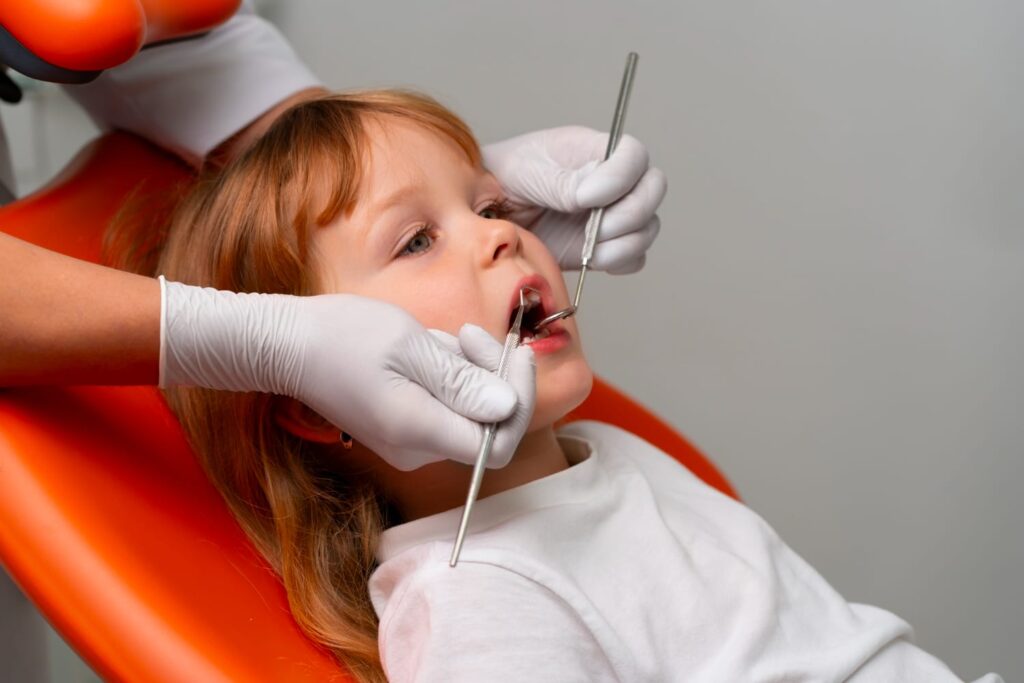
Regular dental check-ups, starting as early as a child’s first birthday or within six months of the first tooth erupting, allow for the early detection of any potential dental issues. Early detection often means simpler, less invasive, and less expensive treatment.
-
- Identifying Early Signs of Decay: Catching decay in its early stages can prevent more extensive damage.
- Assessing Oral Development: Dentists can monitor the development of your child’s teeth and jaw.
- Detecting Orthodontic Issues: Early detection of orthodontic needs can lead to timely intervention.
- Addressing Concerns: Parents can discuss any concerns about their child’s oral health with the dentist.
3. Building a Positive Relationship with the Dentist:
Early dental visits help children become comfortable and familiar with the dental environment. This helps reduce dental anxiety and fosters a positive relationship with the dentist, making future visits less stressful.
-
- Creating a Comfortable Experience: Early visits can be fun and positive, reducing fear.
- Building Trust: A positive first experience builds trust between the child and the dentist.
- Reducing Dental Anxiety: Early exposure helps children become accustomed to the dental setting.
- Encouraging Regular Check-ups: A positive relationship makes children more likely to continue regular visits.
4. Learning Proper Brushing and Flossing Techniques:
Children need to learn the correct way to brush and floss their teeth. Parents play a crucial role in teaching and supervising these techniques until children have developed the necessary dexterity.
-
- Demonstrating Proper Brushing: Show your child how to brush using gentle circular motions.
- Teaching Flossing Techniques: Explain the importance of flossing and demonstrate the correct method.
- Supervising Brushing: Supervise your child’s brushing until they are around seven or eight years old.
- Making it Fun: Turn brushing and flossing into a fun activity with songs or games.
5. The Importance of a Healthy Diet:
A diet high in sugar can contribute to tooth decay. Parents should encourage healthy eating habits and limit sugary snacks and drinks.
-
- Limiting Sugary Drinks: Avoid giving children sugary drinks like juice and soda.
- Encouraging Healthy Snacks: Offer fruits, vegetables, and cheese as healthy snack options.
- Promoting Water Consumption: Water is the best drink for oral health.
- Reading Food Labels: Be mindful of hidden sugars in processed foods.
6. Protecting Teeth from Injuries:
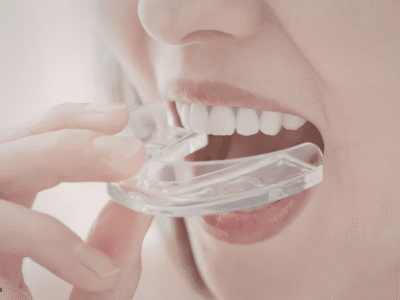
Children are prone to falls and bumps, which can injure their teeth. Mouthguards can protect teeth during sports and other activities.
-
- Using Mouthguards: Invest in a custom-fitted mouthguard for your child if they participate in sports.
- Supervising Play: Supervise children during activities that could lead to dental injuries.
- Knowing What to Do in Case of Injury: Know what to do if your child experiences a dental injury.
- Seeking Prompt Dental Care: Contact your dentist immediately if your child injures their teeth.
7. Addressing Thumb Sucking and Pacifier Habits:
Prolonged thumb sucking or pacifier use can affect the alignment of teeth. Parents should encourage their children to stop these habits by a certain age.
-
- Offering Alternatives: Provide comfort items like blankets or stuffed animals as alternatives.
- Positive Reinforcement: Use positive reinforcement to encourage your child to stop the habit.
- Talking to Your Dentist: Consult your dentist for advice and support.
- Setting Limits: Gradually reduce the amount of time your child spends thumb sucking or using a pacifier.
8. Understanding the Role of Fluoride:
Fluoride strengthens tooth enamel and helps prevent cavities. Talk to your dentist about the appropriate use of fluoride for your child.
-
- Using Fluoride Toothpaste: Use a fluoride toothpaste appropriate for your child’s age.
- Fluoride Treatments: Your dentist may recommend fluoride treatments.
- Drinking Fluoridated Water: Check if your community water supply is fluoridated.
- Consulting Your Dentist: Discuss the appropriate use of fluoride with your dentist.
9. Regular Dental Check-ups and Cleanings:
Regular dental check-ups and cleanings are essential for maintaining good oral hygiene. These visits allow the dentist to monitor your child’s oral health and provide professional cleaning.
-
- Scheduling Regular Appointments: Schedule dental check-ups and cleanings as recommended by your dentist.
- Professional Cleaning: Professional cleanings remove plaque and tartar buildup.
- Oral Health Education: Dentists provide valuable oral health education during these visits.
- Early Intervention: Regular check-ups allow for early intervention if any issues arise.
10. Making Oral Hygiene a Family Affair:
Children learn by example. When parents prioritize their own oral health, they set a positive example for their children.
-
- Brushing Together: Brush your teeth with your child to show them how it’s done.
- Making it a Routine: Establish a consistent oral hygiene routine for the whole family.
- Talking About Oral Health: Talk to your children about the importance of oral health.
- Creating a Positive Environment: Make oral hygiene a positive and enjoyable experience for the whole family.
Conclusion:
Early dental hygiene is an investment in your child’s future. By establishing good oral hygiene habits early in life, you can help your child achieve a lifetime of healthy, confident smiles. In Barrie, we are committed to supporting parents in this important journey. By following the tips and suggestions outlined in this article, you can play an active role in ensuring your child’s oral health and well-being. Remember, a healthy smile is a gift that lasts a lifetime.
Call to Action:
Give your child the gift of a healthy smile! Contact Molson Park Dental today to schedule your child’s first dental appointment.
Molson Park Dental
Address: 33 Maple view Drive W, Barrie, Ontario
Call: (705) 722-4848
Email: [email protected]
Website: https://molsonparkdental.com/
FAQ:
Q1: When should my child’s first dental visit be?
A: The Canadian Dental Association recommends that children have their first dental visit within six months of the eruption of their first tooth or by their first birthday, whichever comes first.
Q2: How often should my child see the dentist?
A: Most children should see the dentist every six months for regular check-ups and cleanings. Your dentist may recommend more frequent visits depending on your child’s individual needs.
Q3: What type of toothpaste should my child use?
A: Children under the age of six should use a pea-sized amount of fluoride toothpaste. Consult your dentist for recommendations based on your child’s age and needs.
Q4: How can I help my child overcome dental anxiety?
A: Start dental visits early, make them positive experiences, and talk to your child about what to expect. Choose a dentist who specializes in treating children and is patient and understanding. If necessary, discuss sedation dentistry options with your dentist.
Q5: What are the signs of tooth decay in children?
A: Signs of tooth decay can include white spots on the teeth, sensitivity to hot or cold, pain, and visible cavities. Regular dental.