Teeth whitening has transcended from a luxury cosmetic procedure to a widely accessible aesthetic goal for many Canadians. However, its popularity often overshadows a crucial reality: teeth whitening is a dental treatment that requires careful consideration and professional guidance. It is not a one-size-fits-all solution, and embarking on the journey to a brighter smile without proper preparation can lead to disappointing results, increased sensitivity, or even harm to your oral health. This article serves as a comprehensive pre-whitening checklist, designed to empower you with the knowledge to determine if teeth whitening is the right, safe, and effective choice for you, in partnership with your dental care provider.
Introduction
A radiant, confident smile is often the first thing people notice. In our image-conscious world, it’s no surprise that the desire for whiter teeth is more common than ever. From social media influencers to your neighbourhood barista, everyone seems to be chasing that brilliant, pearly-white look. The market has responded in kind, flooding drugstore aisles and online shops with a dizzying array of whitening strips, gels, toothpastes, and LED kits, all promising dramatic results.
But amidst this sea of options, an essential question often gets lost: Is teeth whitening actually right for you? Before you purchase that promising kit or even book a professional session, it’s vital to pause and assess your own oral health, lifestyle, and expectations. Whitening your teeth is more than just a cosmetic enhancement; it’s a process that interacts directly with the living tissues of your teeth and gums. Making an informed decision is the first step toward achieving a smile that is not only brighter, but genuinely healthy. This checklist will guide you through ten critical considerations to discuss with your dentist, ensuring your path to a whiter smile is both successful and safe.
- A Comprehensive Dental Health Examination is Non-Negotiable
Before any whitening agent touches your teeth, a foundational oral health check-up is paramount. Think of it like preparing a wall for painting; you wouldn’t apply a fresh coat of paint over cracks, holes, or damp patches. Similarly, applying a peroxide-based whitening gel to teeth with untreated dental issues is a recipe for problems. Active decay (cavities), leaking fillings, or cracked teeth can allow the whitening solution to penetrate deep into the tooth’s interior, potentially reaching the nerve pulp. This can cause severe pain, irreversible nerve damage, and the need for more complex treatments like root canals. Furthermore, underlying gum disease (gingivitis or periodontitis) must be addressed. Inflamed, bleeding, or receding gums are highly susceptible to irritation from whitening agents, leading to significant discomfort and worsening your gum health. Your dentist needs to give you a clean bill of health, ensuring your teeth and gums are a stable and healthy canvas for any cosmetic procedure.
- Understanding the Nature of Your Tooth Discolouration
Not all stains are created equal. Successful whitening depends entirely on the type of stain you have. Stains are broadly categorized into two types: extrinsic and intrinsic.
-
- Extrinsic Stains: These are the surface-level stains that sit on the outer layer of your tooth, the enamel. They are caused by external factors—the foods and drinks we consume and our lifestyle habits. Culprits include coffee, tea, red wine, dark berries, curry, and tobacco use. These are the types of stains that teeth whitening treatments, which typically use hydrogen peroxide or carbamide peroxide, are designed to tackle. The peroxide agent oxidizes the stain molecules, breaking them apart and making the teeth appear whiter.
- Intrinsic Stains: These stains are located within the deeper structure of the tooth, in the dentin layer. They can be caused by trauma to a tooth during its development, overexposure to fluoride in childhood (fluorosis), certain medications like tetracycline antibiotics taken at a young age, or they can simply be genetic. Because these stains are internal, topical whitening gels cannot reach them effectively. Trying to whiten intrinsic stains often leads to frustration and minimal results. For these types of discolouration, your dentist might recommend alternative cosmetic solutions like dental bonding, porcelain veneers, or crowns.
- The Presence of Existing Dental Restorations
Take a close look at your smile. Do you have any crowns, veneers, dental bonding, or tooth-coloured fillings, especially in your front teeth? This is a critical factor to consider. The materials used in these restorations—porcelain, ceramic, and composite resin—are fabricated to match the colour of your natural teeth at the time they were placed. Crucially, these materials will not respond to teeth whitening agents. They are non-porous and their colour is fixed. If you whiten the natural teeth surrounding these restorations, you will create a noticeable and often unsightly colour mismatch. The natural teeth will get brighter, making the restorations appear darker, yellower, or duller in comparison. If you have restorations and still wish to whiten, the typical procedure is to whiten your natural teeth to the desired shade first, and then replace the old restorations to match the new, brighter colour. This involves additional time and expense that must be factored into your decision.
- Evaluating Your Tooth and Gum Sensitivity
One of the most common side effects of teeth whitening is temporary tooth sensitivity. The whitening agent can cause a temporary demineralization of the enamel, allowing for easier access to the microscopic tubules that lead to the tooth’s nerve. This can result in sharp, shooting pains (zingers) when consuming hot or cold foods and drinks. If you already suffer from sensitive teeth, whitening can exacerbate this condition. It’s essential to discuss your sensitivity with your dentist beforehand. They can recommend strategies to mitigate discomfort, such as using a desensitizing toothpaste containing potassium nitrate or fluoride for a few weeks before and during the treatment. For in-office procedures, they can adjust the concentration of the whitening agent or the duration of the application. Professional-grade whitening offers more control over sensitivity than a standard over-the-counter kit.
- Age Considerations: Is There a “Right” Age to Whiten?
While there is no strict age limit, dental professionals generally advise against teeth whitening for children and young adolescents. The nerve (pulp) chamber inside a young person’s tooth is much larger and closer to the surface than in an adult tooth. This proximity makes the nerve more susceptible to irritation from peroxide-based whiteners, increasing the risk of sensitivity and potential damage. Most dentists recommend waiting until at least the late teenage years, typically around 16 to 18, when the tooth pulp has fully matured and receded. It’s a matter of dental development and safety, ensuring the procedure is both comfortable and complication-free.
- Pregnancy and Nursing: A Time for Caution
The guiding principle in dentistry for expectant or nursing mothers is to postpone any elective procedures. While there is no direct scientific evidence to suggest that teeth whitening is harmful to a developing fetus or a nursing baby, there is also a lack of comprehensive research to confirm its absolute safety. Given this uncertainty, the Canadian Dental Association and dental professionals across the country recommend erring on the side of caution. The focus during this important time should be on maintaining excellent oral hygiene and addressing essential dental needs. The cosmetic goal of a whiter smile can safely wait until after pregnancy and nursing are complete.
- Allergies and Chemical Sensitivities
Though uncommon, it is possible to have an allergy or sensitivity to the ingredients found in whitening gels, most notably hydrogen peroxide or carbamide peroxide. An allergic reaction could manifest as severe gum inflammation, blistering, or significant discomfort. It’s important to discuss any known allergies, especially to chemicals or dental materials, with your dentist. They can review the specific ingredients in the professional-grade products they use to ensure they are safe for you. This is another area where professional oversight is far superior to using an over-the-counter product with a less detailed ingredient list.
- Your Lifestyle and Dietary Habits
Achieving a whiter smile is one thing; maintaining it is another. Your daily habits play a significant role in the longevity of your whitening results. If you are a heavy consumer of staining agents like coffee, tea, red wine, or if you use tobacco products, your teeth will be prone to re-staining much more quickly. Immediately after a whitening treatment, your tooth enamel is slightly more porous and susceptible to staining for the first 24-48 hours. You will need to commit to a “white diet” during this period (avoiding all staining foods and drinks). To maintain your results long-term, you must be prepared to either reduce your intake of staining substances, consume them in moderation (e.g., using a straw for iced coffee), or be diligent about rinsing your mouth with water immediately after consumption. Honesty about your lifestyle will help your dentist set realistic expectations for how long your results will last.
- Setting Realistic Expectations for Your Results
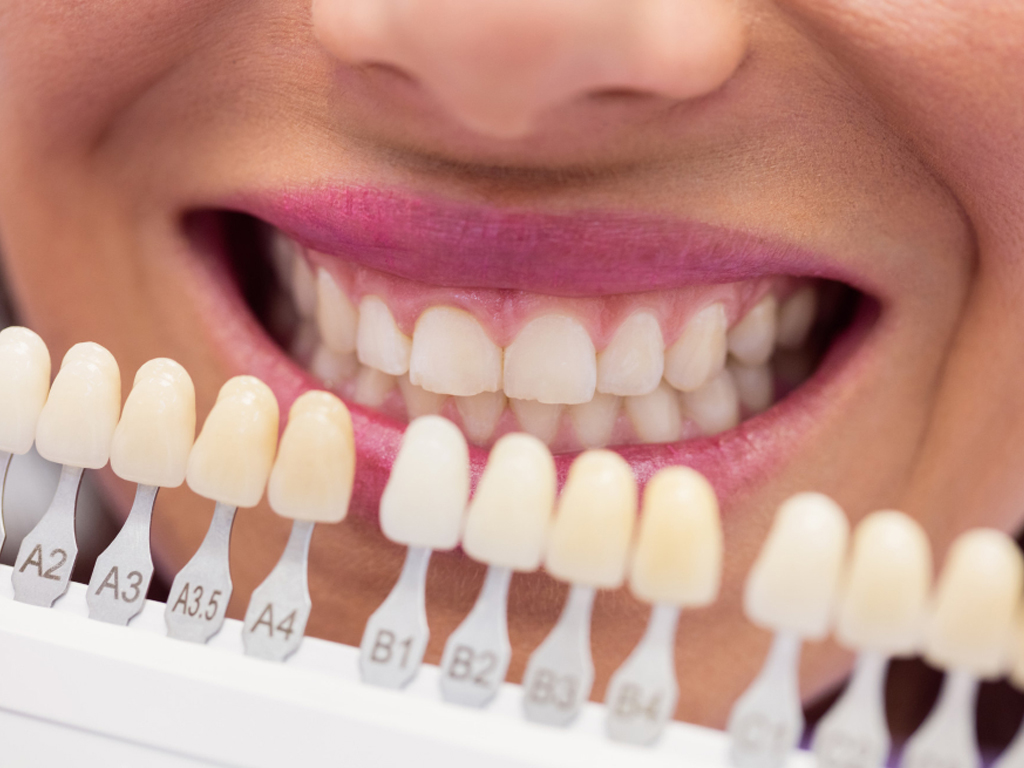
The images we see in media often portray a shade of white that is almost unnaturally brilliant. It’s important to understand that teeth are not naturally pure white; they have a natural undertone that can be yellowish, brownish, or greyish. Teeth whitening can significantly lighten your teeth, but it can only lighten them to your natural whitest shade. The goal is to achieve a brighter, cleaner, and healthier-looking smile, not an artificial-looking one. Your dentist can use a shade guide to show you what your starting shade is and realistically predict the kind of results you can expect, which is typically a lightening of several shades. Expecting to go from a deep yellow to a “Hollywood” white in one session is often unrealistic and can lead to disappointment.
- Professional Treatment vs. Over-the-Counter Options
The final consideration is choosing the right method. While over-the-counter (OTC) products are convenient and less expensive, professional whitening administered by a dentist offers significant advantages in safety, efficacy, and customization.
-
- Safety: A dentist will protect your gums and soft tissues with a barrier to prevent chemical burns and irritation from the high-concentration gel. OTC kits with ill-fitting trays can cause the gel to leak, leading to discomfort.
- Efficacy: Professional treatments use a higher concentration of peroxide, leading to more dramatic and faster results than the lower-strength OTC options.
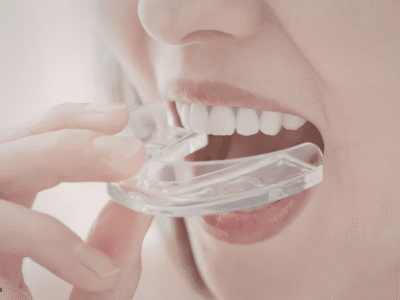
- Customization: A dentist can create custom-fitted whitening trays for at-home professional kits, ensuring even coverage and maximum effectiveness. They can also tailor the treatment to manage sensitivity. While OTC products can provide some mild lightening for minor stains, for a truly noticeable, safe, and lasting result, professional consultation and treatment are the gold standard.
Conclusion
The journey to a brighter smile is an exciting one, but it should begin with careful thought and professional advice, not an impulse buy at the pharmacy. By working through this pre-whitening checklist, you are taking a proactive role in your oral health. You are ensuring that your desire for a more beautiful smile doesn’t come at the expense of its underlying health. The ultimate goal is a smile that is both brilliant and robust. The only person who can definitively tell you if teeth whitening is right for you is your dental professional. They can assess your unique oral landscape, discuss your goals, and recommend the safest and most effective path forward.
Ready to Discover Your Brightest, Healthiest Smile?
If you’ve considered the points above and are ready to explore your options, our team at Molson Park Dental is here to guide you. We can provide a comprehensive assessment and create a personalized whitening plan that is right for you.
Call us today to book your consultation:
Name: Molson Park Dental
Address: 33 Maple View Drive W, Barrie, Ontario
Call: (705) 722-4848
Email: [email protected]
Website: https://molsonparkdental.com/
Your Brightest Smile Starts with the Right Questions.
Frequently Asked Questions (FAQ)
Q1: Why can’t I just whiten my teeth if I have a small cavity? It’s not bothering me.
A1: It is highly advised against whitening with an untreated cavity. The whitening agent, typically a peroxide, can seep through the decayed opening and reach the sensitive inner pulp of the tooth. This can cause intense pain and potentially lead to inflammation or irreversible damage to the tooth’s nerve, possibly requiring a root canal. It’s essential to have all cavities filled and your mouth declared healthy by a dentist before starting any whitening procedure.
Q2: Will teeth whitening make my crowns and fillings whiter?
A2: No. Dental restorations like crowns, veneers, bonding, and fillings are made from materials like porcelain or composite resin. These materials are non-porous and will not change colour or lighten with teeth whitening agents. Whitening only works on natural tooth enamel. If you whiten your teeth, your natural teeth will become brighter while your restorations will remain their original colour, creating a colour mismatch.
Q3: What’s the difference between the stains that whitening can and cannot fix?
A3: Whitening is effective on extrinsic stains, which are on the surface of the enamel and caused by things like coffee, tea, red wine, and tobacco. It is not effective on intrinsic stains, which are located inside the tooth structure. Intrinsic stains can be caused by certain medications (like tetracycline), trauma, or genetics. Your dentist can help identify the type of stains you have and recommend the best course of action.
Q4: I already have sensitive teeth. Does that mean I can never whiten them?
A4: Not necessarily. While whitening can temporarily increase sensitivity, having sensitive teeth doesn’t automatically disqualify you. It is crucial to proceed under a dentist’s supervision. Your dentist may recommend using a desensitizing toothpaste for a couple of weeks prior to treatment, and they can use lower concentration whitening gels or adjust the treatment time to minimize discomfort.
Q5: How long do teeth whitening results last?
A5: The longevity of whitening results varies greatly from person to person and depends heavily on lifestyle and diet. Results can last from a few months to a couple of years. If you frequently consume staining foods and drinks (like coffee or red wine) or smoke, your teeth will likely re-stain faster. Practicing good oral hygiene and doing occasional touch-up treatments can help maintain your brighter smile for longer.
Q6: Is professional whitening really that much better than store-bought kits?
A6: Professional whitening offers key advantages in safety and effectiveness. A dentist uses stronger, faster-acting whitening agents while protecting your gums and soft tissues from irritation. They can also create custom-fitted trays for at-home use that provide even, consistent results, unlike one-size-fits-all strips or trays. While over-the-counter kits may offer mild improvement for minor staining, professional treatments provide more significant, reliable, and safer results.