Premise
Cosmetic dental imperfections such as chipped enamel and unsightly gaps between teeth can significantly diminish a person’s confidence, smile symmetry, and overall dental health. Modern aesthetic dentistry provides two primary direct-restoration techniques to correct these flaws: composite dental bonding and porcelain veneers. While both treatments successfully restore natural tooth contours and enhance visual harmony, they differ fundamentally in material composition, treatment longevity, enamel invasiveness, stain resistance, and financial investment. Evaluating these clinical differences allows patients to select the treatment that best aligns with their long-term aesthetic goals, lifestyle, and structural dental needs.
Introduction
A beautiful, cohesive smile is often considered one of a person’s most noticeable personal assets. However, very few people are born with perfectly aligned, flawless teeth. Daily wear and tear, accidental physical trauma, biting hard objects, and natural genetic spacing frequently lead to chipped edges, uneven tooth lengths, and noticeable gaps (diastemas) between front teeth. Even minor flaws in the prominent “smile zone” can draw unwanted attention, causing individuals to feel self-conscious when speaking, laughing, or taking photographs.
Fortunately, modern cosmetic dentistry offers highly effective, natural-looking solutions designed specifically to close gaps and repair chipped enamel. Among the most popular and time-tested options are dental bonding and porcelain veneers. While both procedures are engineered to address similar aesthetic concerns, they utilize completely different materials, clinical protocols, and structural approaches. Dental bonding relies on a high-density, shade-matched composite resin applied directly to the tooth, offering an immediate and conservative fix. In contrast, porcelain veneers utilize custom-fabricated ceramic shells permanently attached to the front of prepared teeth, providing a long-lasting and comprehensive smile transformation.
Understanding how these two treatments compare across key clinical factors is essential before embarking on your smile restoration journey. Below, we examine ten fundamental points comparing porcelain veneers and dental bonding to help you discover which option is best suited for your smile.
1. Material Composition: Composite Resin vs. Dental Porcelain
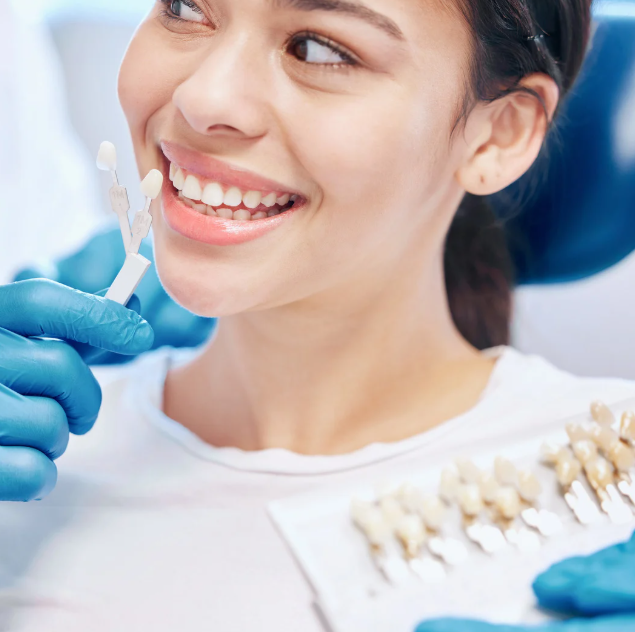
The foundational difference between dental bonding and porcelain veneers lies in the physical materials used to rebuild the tooth. Dental bonding utilizes a tooth-coloured composite resin—a pliable mixture of microscopic glass or quartz particles embedded in a durable synthetic resin matrix. This material allows your dentist to color-match, sculpt, and polish the restoration directly on your natural enamel during a single appointment. Conversely, porcelain veneers are fabricated from ultra-thin shells of high-density dental ceramic. Advanced dental porcelain closely mimics the natural optical properties of human tooth enamel, including its subtle translucency, surface sheen, and natural shade gradations. While composite resin offers exceptional immediate workability, dental porcelain provides superior structural density and an unmatched lifelike appearance that integrates seamlessly with surrounding natural teeth.
2. Procedure Steps and Treatment Timeline
The clinical pathway and time commitment required for each treatment vary significantly. Dental bonding is a direct procedure, meaning the entire transformation is completed chairside in a single visit, typically lasting 30 to 60 minutes per tooth. The dentist conditions the enamel surface, applies a liquid bonding agent, sculpts the composite resin directly over the chip or gap, and cures it instantly with a blue ultraviolet light. On the other hand, porcelain veneers represent an indirect restoration requiring a multi-step process spread over two to three visits. During the initial appointment, teeth are evaluated and prepared, digital or traditional impressions are taken, and temporary veneers are placed. The final custom porcelain shells are crafted in a specialized dental laboratory before being permanently bonded to your teeth during a follow-up appointment several weeks later.
3. Invasiveness and Preservation of Natural Enamel
Enamel conservation is a crucial consideration when choosing a cosmetic dental procedure. Composite dental bonding is widely celebrated as an exceptionally conservative, non-invasive treatment. In most bonding cases, little to no natural enamel needs to be removed. The dentist simply etches the outer tooth surface with a mild conditioning gel to create microscopic pores for the composite material to grip. Conversely, traditional porcelain veneers require the precise removal of a thin outer layer of enamel—typically between 0.3 to 0.7 millimetres—from the front surface of the tooth. This tooth preparation ensures that the final ceramic shell sits flush with adjacent teeth and the gumline without looking bulky. Because removed tooth enamel cannot regenerate, porcelain veneers are an irreversible, lifelong commitment.
4. Stain Resistance and Aesthetic Longevity
Over time, exposure to highly pigmented foods and beverages—such as coffee, dark tea, red wine, berries, and soy sauce—can impact the appearance of cosmetic restorations. Composite resin is inherently porous on a microscopic level, meaning it can gradually absorb surface pigments and discolour over time, similar to natural tooth enamel. While bonded teeth can be polished during routine hygiene cleanings to lift superficial discolouration, they will eventually darken. In contrast, dental porcelain is entirely non-porous and impervious to staining. Glazed porcelain veneers maintain their original, bright shade and polished lustre throughout their entire lifespan, making them the ideal long-term choice for patients seeking a permanently vibrant, stain-free smile.
5. Durability, Strength, and Expected Lifespan
Both treatments offer strong resistance to daily biting and chewing forces, but their structural longevity differs substantially. High-grade dental porcelain is remarkably tough and highly resistant to surface wear and scratching. On average, porcelain veneers last between 10 and 15 years—and often up to 20 years with diligent home care and regular professional check-ups. Dental bonding, while durable enough for normal function, utilizes composite resin, which possesses a lower tensile strength than glazed ceramic. As a result, dental bonding generally has an expected lifespan of 5 to 7 years before showing signs of wear, minor chipping, or edge staining that requires touch-ups, repolishing, or complete replacement.
6. Corrective Capacity: Minor Touch-Ups vs. Comprehensive Makeovers
Determining whether bonding or veneers are right for you often depends on the extent of the aesthetic flaws being corrected. Dental bonding excels at fixing localized, minor issues—such as repairing a single chipped incisor edge, filling a small gap between two teeth, or smoothing a jagged tooth border. However, because composite resin is sculpted freehand by the dentist, achieving uniform colour, shape, and surface texture across multiple front teeth can be challenging. Porcelain veneers, on the other hand, are engineered for total smile redesigns. They can simultaneously close multiple wide gaps, conceal deep intrinsic discolouration, lengthen short or worn teeth, and correct mild crowding across an entire arch, delivering a completely symmetrical and harmonious outcome.
7. Reversibility and Future Restorative Flexibility
Because dental bonding requires virtually no structural alteration of the underlying tooth, the procedure is fully reversible. If a patient decides in the future to remove the composite resin or transition to porcelain veneers, their original natural tooth enamel remains intact beneath the restoration. Conversely, placing porcelain veneers involves permanent enamel reduction to accommodate the thickness of the ceramic shell. Once a tooth has been prepared for a veneer, it will always require a protective restoration—whether a replacement veneer or a full-coverage crown—for the remainder of the patient’s life. Patients choosing veneers must be comfortable making a permanent commitment to their long-term oral health.
8. Upfront Investment vs. Long-Term Financial Value
Cost considerations play a major role in deciding between these two procedures. Dental bonding is one of the most accessible and budget-friendly cosmetic dental treatments available, featuring a significantly lower upfront cost per tooth. Because bonding does not require dental laboratory fabrication fees or multiple clinical appointments, it is ideal for patients seeking immediate aesthetic improvements on a modest budget. However, because composite resin requires periodic maintenance, polishing, and replacement every few years, long-term costs accumulate over time. Porcelain veneers carry a higher initial investment per tooth due to custom laboratory craftsmanship and premium ceramic materials, but their impressive decade-plus durability often delivers exceptional long-term financial value.
9. Maintenance Requirements, Repairs, and Daily Care
Caring for both bonded teeth and porcelain veneers requires maintaining consistent daily oral hygiene habits, including brushing twice daily with non-abrasive toothpaste, flossing, and attending routine professional cleanings. However, their repair pathways differ dramatically if physical damage occurs. If a composite bonded tooth chips or wears down under heavy biting pressure, your dentist can easily repair, reshape, or add new resin directly to the existing restoration in a single short visit. In contrast, if a porcelain veneer cracks or fractures, it cannot be simply patched chairside; the entire ceramic shell must be removed, re-impressed, and remanufactured by a dental laboratory, requiring a temporary restoration in the interim.
10. Candidate Profiles: Finding the Right Fit for Your Lifestyle
Selecting the ideal treatment ultimately comes down to your individual cosmetic goals, age, oral habits, and personal preferences. Dental bonding is frequently recommended for younger patients whose teeth and jaws are still maturing, individuals with minor isolated chips or small gaps, or those who prefer a conservative, reversible fix. Porcelain veneers are ideal for adult patients seeking a dramatic, long-lasting smile makeover that addresses multiple cosmetic concerns simultaneously, resists future discolouration, and offers unmatched aesthetic refinement. A comprehensive consultation with an experienced cosmetic dentist will evaluate your bite alignment, enamel depth, and lifestyle habits to guide you toward the perfect choice.
Conclusion
Both porcelain veneers and dental bonding are exceptional, time-tested procedures in modern cosmetic dentistry capable of transforming chipped or gapped teeth into radiant, symmetrical smiles. Dental bonding offers a fast, affordable, and fully reversible solution ideal for subtle touch-ups and localized repairs. Meanwhile, porcelain veneers provide the ultimate long-term investment in aesthetics, delivering superior stain resistance, durability, and a flawless smile transformation that lasts for decades. By partnering with a skilled cosmetic dentist, you can choose the treatment that best aligns with your personal goals, budget, and vision for a healthy, beautiful smile.
Schedule Your Smile Consultation Today
Ready to repair chips, close unwanted gaps, and achieve the confident smile you deserve? The experienced, compassionate team at Molson Park Dental is dedicated to providing personalized cosmetic dental care tailored to your unique needs in a relaxed, state-of-the-art environment. Contact us today to book your cosmetic consultation!
Contact Information
- Call: (705) 722-4848
- Address: 33 Mapleview Drive W, Barrie, Ontario
- Email: [email protected]
- Website: https://molsonparkdental.com/
Frequently Asked Questions (FAQ)
1. Is the procedure for dental bonding or porcelain veneers painful?
Neither procedure is considered painful. Dental bonding is non-invasive and almost always performed without the need for local anesthesia. For porcelain veneers, because a small layer of enamel is prepared, local anesthetic is applied to numb the area, ensuring complete comfort throughout the procedure. Some mild, temporary temperature sensitivity may occur after enamel preparation, but this subsides quickly once final veneers are placed.
2. Can I whiten my teeth after getting bonding or veneers?
Professional teeth whitening gels only act on natural tooth enamel and will not lighten composite resin or porcelain materials. If you plan on whitening your smile, it is strongly recommended to undergo teeth whitening before receiving bonding or veneers. Your dentist can then match the composite resin or porcelain to your newly brightened natural tooth shade for a perfectly seamless result.
3. What habits should I avoid to prevent damaging my bonding or veneers?
To protect both bonded teeth and porcelain veneers from chipping or debonding, avoid biting into extremely hard objects like ice, hard candy, pens, or unpopped popcorn kernels. Never use your teeth as tools to open packaging or tear tape. Additionally, if you grind or clench your teeth at night (bruxism), wearing a custom-fitted nightguard is essential to protect your cosmetic restorations from excessive biting forces.
4. How do I know if my gap is too wide for dental bonding?
While dental bonding works exceptionally well for closing small to moderate gaps between front teeth, attempting to fill an overly wide gap with composite resin can make the teeth look unnaturally wide or bulky. During your consultation, your dentist will evaluate the proportions of your teeth. If the gap is substantial, porcelain veneers—or a short course of clear orthodontic aligners—may be recommended to achieve a balanced, proportioned, and aesthetically pleasing result.